Different Welding Booth Layouts That Improve Airflow
Different Welding Booth Layouts That Improve Airflow
Maintaining high air quality standards remains one of the most significant challenges for modern metal fabrication facilities and vocational training centers. However, protecting welders from hazardous fumes requires more than just basic ventilation; it demands a strategic approach to workspace design and engineering controls.
Managers and instructors must explore different welding booth layouts that improve airflow to ensure compliance with safety regulations and protect their workforce. Read on to learn about these layouts and the purchasing considerations to keep in mind when acquiring them.
A Downdraft Welding Table
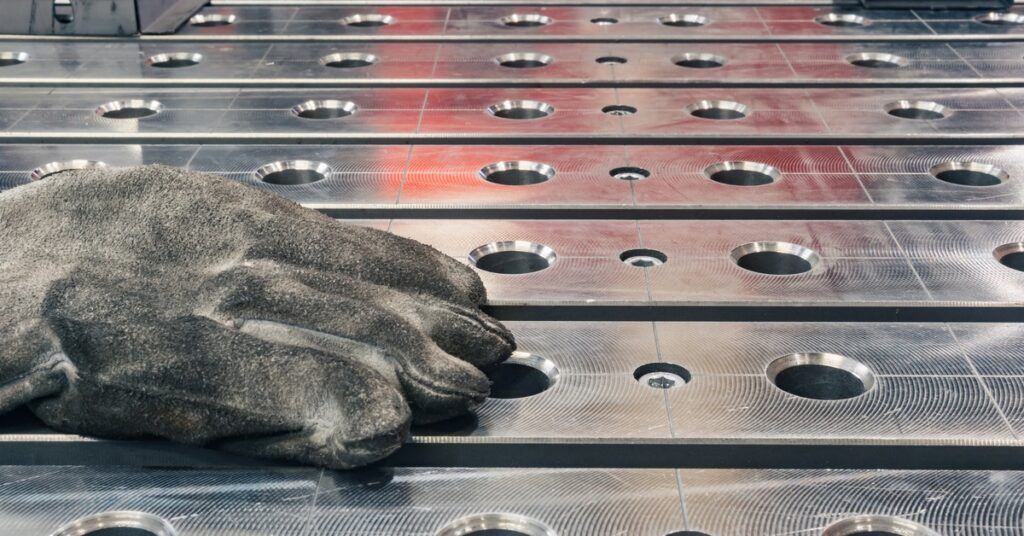
Two welding booth configurations stand out for their ability to enhance airflow dynamics and capture efficiency in educational and industrial settings alike. One is a downdraft welding table, which features a work surface that serves as the primary extraction point. Engineers design these tables with a perforated top surface that sits above a collection hopper and filtration unit or a ductwork connection.
The system pulls air vertically downward through the table surface, using gravity and negative pressure to capture fumes the instant they appear. This vertical airflow pattern proves exceptionally effective because it works against the natural thermal rise of hot welding gases only when the suction velocity is sufficient.
Operators working on smaller parts benefit most from this layout because they position the workpiece directly on the ventilation source. The downward pull ensures that smoke and particulates never reach the welder’s breathing zone, which typically sits above the workpiece. This layout eliminates the need for overhead hoods or extraction arms that welders must constantly reposition.
Consequently, productivity increases as the welder focuses entirely on the task without interruption. For schools, this layout offers unobstructed sightlines for instructors to observe students safely.
Single Welding Booth Enclosures
Another option is the single welding booth enclosure, which typically features three solid walls and a curtained or open front, creating a defined workspace that isolates the welding activity from the rest of the facility. The enclosure plays a vital role in airflow management by preventing cross-drafts from reducing the effectiveness of the extraction system. By eliminating unpredictable air currents from open shop doors or HVAC vents, the booth ensures the extraction airflow remains stable and directional.
In a single-booth layout, extraction typically occurs through a back-draft or cross-draft plenum at the rear of the booth. The system draws air from the front of the booth, past the welder and the workpiece, and into the filtration unit at the back. This horizontal airflow pattern pulls fumes away from the welder before they can rise into the breathing zone.
The walls of the booth act as a funnel, channeling the air directly toward the extraction point. The physical barrier also provides essential protection against arc flash and sparks for nearby personnel. The combination of physical containment and directional airflow makes the single booth a versatile and powerful tool for comprehensive fume control.
Tips for Acquiring Welding Booths
After reviewing different welding booth layouts that improve airflow, it is important to know how to select equipment that delivers long-term value for your shop or training center. The following sections outline critical factors that managers should prioritize during the procurement process.
Take Your Needs Into Consideration
Selecting a welding booth that aligns with your facility’s unique operational requirements is essential for long-term success. Evaluating factors such as available floor space, the range of welding processes performed, and budget parameters helps ensure the booth you choose delivers both safety and performance.
A thoughtful investment also considers the total cost of ownership, including maintenance, filter replacement, and potential for expansion. By carefully reviewing these needs, you are better positioned to select a welding booth that supports your workflow and effectively safeguards your workforce.
Assess Construction Quality and Durability
Welding environments subject equipment to extreme conditions, including heat, sparks, and physical impact. The structural integrity of a welding booth determines its lifespan and safety profile.
Buyers should prioritize booths constructed with materials like powder-coated steel that resist corrosion and abrasion. Otherwise, they may purchase a booth that can degrade quickly in an industrial setting.
Look for Safety Features
It is also wise to prioritize safety features in your search for a welding booth, as they can help reduce the risk of incidents and create a more secure environment for operators and students. For example, features such as Red Alert lights provide immediate visual warnings when conditions become hazardous, enabling rapid response and preventing injury.
Additionally, spark traps are essential for capturing hot metal particles before they reach filters or ducts, reducing fire hazards and prolonging system life. Fire-resistant panels add another layer of critical protection by containing heat, sparks, and flames, preventing them from spreading beyond the booth. Prioritizing these features will demonstrate a strong commitment to health and security.
Prioritize Strong Suction Technology
Strong suction power stands as a critical factor in the effectiveness of any welding booth’s fume extraction system. Adequate suction ensures the rapid capture and removal of hazardous fumes directly at the source, preventing their spread into the operator’s breathing zone and throughout the facility.
A booth equipped with robust suction technology can maintain consistent airflow even during high-fume applications or when processing larger assemblies, directly supporting compliance with workplace air quality standards and safeguarding the health of welders and students.
When evaluating welding booths, facilities should ensure the selected models provide sufficient negative pressure to accommodate the intended volume of welding activity and the types of materials commonly used. Insufficient suction may lead to incomplete fume capture, increased maintenance issues, and possible regulatory violations.
Systems that feature adjustable suction settings or variable speed fans allow for precise tailoring of extraction rates, further optimizing protection and operational efficiency. Investing in a booth with exceptional suction capabilities will enable fabrication shops and instructional centers to create an environment that consistently prioritizes safety and productivity.
Implementing the right welding booth layout will make your fabrication shop a safer, more productive workspace. Whether utilizing downdraft tables for precision work or single booths for heavy fabrication, the goal remains the protection of the welder and the facility.
Let WeldFume-Extractors.com help you enjoy returns in worker health and operational efficiency. Contact us today about our welding booths, which will help you secure the safety of your team and the future of your operations.
To provide the best experiences, we use technologies like cookies to store and/or access device information. Consenting to these technologies will allow us to process data such as browsing behavior or unique IDs on this site. Not consenting or withdrawing consent, may adversely affect certain features and functions.
Functional
Always active
The technical storage or access is strictly necessary for the legitimate purpose of enabling the use of a specific service explicitly requested by the subscriber or user, or for the sole purpose of carrying out the transmission of a communication over an electronic communications network.
Preferences
The technical storage or access is necessary for the legitimate purpose of storing preferences that are not requested by the subscriber or user.
Statistics
The technical storage or access that is used exclusively for statistical purposes.The technical storage or access that is used exclusively for anonymous statistical purposes. Without a subpoena, voluntary compliance on the part of your Internet Service Provider, or additional records from a third party, information stored or retrieved for this purpose alone cannot usually be used to identify you.
Marketing
The technical storage or access is required to create user profiles to send advertising, or to track the user on a website or across several websites for similar marketing purposes.