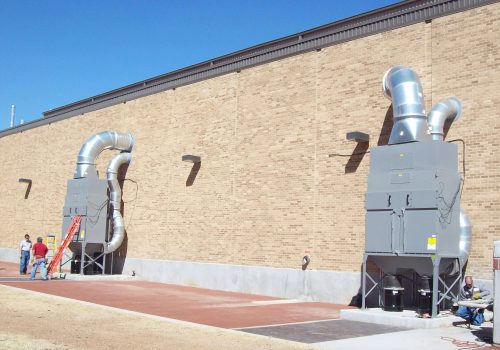
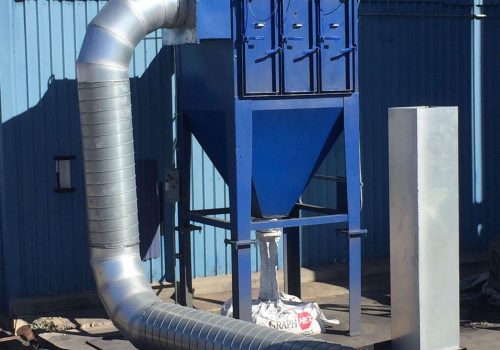
The right fume extractor filter plays a pivotal role in determining how well a welding operation controls air quality, system performance, and long-term operating costs. Even a high-quality fume extraction unit can underperform if the filter does not match the application, airflow demands, or usage intensity.
The proper filter helps maintain consistent capture at the source, reduces maintenance interruptions, and supports a cleaner work environment. Read on to learn the key factors that matter most when choosing the right fume extractor filter for you.
Understand the Type of Welding and Materials Used
Different welding processes generate different types of fumes, and those differences matter when selecting a filter. For example, mild steel welding tends to produce heavier particulate matter, while stainless steel and specialty alloys tend to produce finer particles and metallic compounds.
Aluminum welding often produces very fine oxide particles that require more efficient filtration to capture. Each material places unique demands on filter media.
Shops and schools should evaluate which materials they weld most often and how frequently those processes occur. Filters designed for general particulate control may struggle with fine or chemically complex fumes. Matching the filter to the dominant welding application improves capture efficiency and helps maintain consistent air quality throughout the workspace.
Evaluate Particle Size and Filtration Efficiency Requirements
Welding fumes contain particles that can be invisible to the naked eye. These fine particles can remain airborne for extended periods if filtration does not address them properly. Because of this, filtration efficiency plays a critical role in how effectively a fume extraction system protects air quality. Looking at standardized efficiency ratings helps buyers understand how well a filter captures particles across different size ranges.
One common reference point is the minimum Efficiency reporting value, or MERV rating, which indicates how effectively a filter captures particles. MERV ratings generally increase as filters capture smaller particles, but higher ratings do not automatically make a filter better for welding applications.
Consider Airflow and System Compatibility
It is important for users not to overlook airflow when choosing the right filter. Filters with very high efficiency can restrict airflow if manufacturers do not build them specifically for fume extraction systems. When evaluating efficiency ratings, shops and schools should focus on filters that balance particle capture with airflow so the system maintains strong source capture without sacrificing overall performance.
A filter that does not match the system’s airflow requirements can cause pressure drop, fan strain, or inconsistent capture at the source. Wall-mounted systems, portable units, and centralized extraction setups all place different demands on filter design.
Another important step in choosing the right fume extractor filter for you is to consider system compatibility. Filters must allow the system to maintain its rated cubic feet per minute under normal operating conditions. When airflow remains stable, welders experience better visibility, and contaminants stay contained at the source rather than spreading throughout the facility.
Account for Filter Loading and Maintenance Cycles
Welding environments often produce a steady stream of particulate matter, which causes filters to load over time. Filters with limited dust-holding capacity clog more quickly, increasing maintenance frequency and downtime.
Predictable maintenance cycles benefit both production-focused shops and instructional environments. When filters load evenly and last longer, teams can schedule replacements proactively rather than reacting to sudden airflow loss. This consistency supports uninterrupted operations and reduces stress on extraction equipment.
Balance Filtration Performance With Operating Costs
Upfront filter cost does not always reflect long-term value. Filters that load quickly or restrict airflow can increase energy consumption and place additional strain on fans and motors. Over time, those issues raise operating expenses and shorten equipment lifespan. Selecting the right filter helps control these hidden costs.
A well-matched filter maintains airflow while delivering effective particulate capture, which improves overall system efficiency. This shows how shops and schools must look beyond the initial purchasing price when selecting the proper filters for their environments.
Look for Durability and Adaptability
Welding environments subject fume extractor filters to consistent mechanical and thermal stress, especially in shops or programs that operate daily. Filters must withstand vibration, heat, and repeated airflow changes without degrading or losing structural integrity. Durable filter construction helps maintain performance over time and reduces the risk of premature failure during normal operation.
Flexibility also matters when usage patterns change throughout the day or over the life of the system. Filters designed for welding applications perform reliably under both steady production and intermittent use without requiring constant adjustment. Choosing filters built for durability and adaptable performance helps ensure consistent airflow and dependable fume capture across a wide range of operating conditions.
Plan for Future Changes in Your Operation
Welding operations rarely stay static, and changes in production volume, materials, or equipment can affect filtration needs over time. A filter that works well today may not perform the same way if welding frequency increases or new metals enter the workflow. Planning for flexibility helps ensure that filtration performance keeps pace with operational growth.
Selecting filters designed for scalable systems allows shops and schools to adapt without replacing entire extraction units. Filters that support higher loading capacity and stable airflow provide room for future adjustments. Thinking ahead during filter selection reduces the risk of costly changes later.
Work With Suppliers Who Understand Welding Applications
One last tip is to choose products from suppliers who understand welding and metal fabrication environments. Their application-specific knowledge helps you avoid mismatches that reduce performance or increase maintenance demands. Experienced suppliers can recommend filters based on actual welding processes rather than generic specifications.
A knowledgeable partner also helps plan for future needs as operations evolve. Changes in materials, equipment, or production volume can affect filtration requirements. Working with a supplier familiar with welding applications ensures long-term compatibility and consistent system performance.
As we have seen, choosing the right fume extractor filter requires careful consideration of factors such as welding processes, airflow requirements, and maintenance expectations. When filters align with real-world usage, extraction systems perform more reliably and support healthier work environments. Fabrication shops and welding programs both benefit from filters that balance efficiency, durability, and airflow stability.
To equip your operation with a dependable solution, contact WeldFume-Extractors.com today. Our high-quality welding fume extractor filters will help you keep your machines in top condition and your employees healthy and productive.
To provide the best experiences, we use technologies like cookies to store and/or access device information. Consenting to these technologies will allow us to process data such as browsing behavior or unique IDs on this site. Not consenting or withdrawing consent, may adversely affect certain features and functions.
Functional
Always active
The technical storage or access is strictly necessary for the legitimate purpose of enabling the use of a specific service explicitly requested by the subscriber or user, or for the sole purpose of carrying out the transmission of a communication over an electronic communications network.
Preferences
The technical storage or access is necessary for the legitimate purpose of storing preferences that are not requested by the subscriber or user.
Statistics
The technical storage or access that is used exclusively for statistical purposes.The technical storage or access that is used exclusively for anonymous statistical purposes. Without a subpoena, voluntary compliance on the part of your Internet Service Provider, or additional records from a third party, information stored or retrieved for this purpose alone cannot usually be used to identify you.
Marketing
The technical storage or access is required to create user profiles to send advertising, or to track the user on a website or across several websites for similar marketing purposes.