Safety is a fundamental priority in metal fabrication shops and welding instruction schools. Facility managers and educators alike understand that maintaining clean air and reducing health risks are critical to ensuring worker and student well-being and supporting long-term productivity.
Investing in wall-mounted welding fume systems can help you protect everyone in your spaces. This blog will explain these devices in detail and discuss how they foster a safer, more efficient environment.
Why Does My Facility Need Fume Extraction?
By its nature, welding creates a complex mixture of airborne gases and fine particles known as welding fumes. These plumes contain metallic oxides, silicates, and fluorides, which can be hazardous when inhaled.
Exposure to these substances can lead to severe health issues, including respiratory illnesses, neurological damage, and an increased risk of certain cancers. Regulatory bodies such as the Occupational Safety and Health Administration have established permissible exposure limits for various contaminants found in welding fumes to protect workers.
Effective fume extraction is the most reliable method for controlling these airborne hazards at the source. By capturing fumes before they disperse into the general workspace, extraction systems protect the welder directly and prevent the accumulation of hazardous substances in the facility’s air. This ensures a healthier environment for all personnel, helps companies stay compliant with air quality standards, reduces long-term liability, and improves overall productivity by providing a more comfortable work setting.
What Are Wall-Mounted Welding Fume Systems?
Now that you know why fume extraction is essential, you may wonder, “What are wall-mounted welding fume systems?” Manufacturers build these local exhaust ventilation systems to capture fumes at their source effectively.
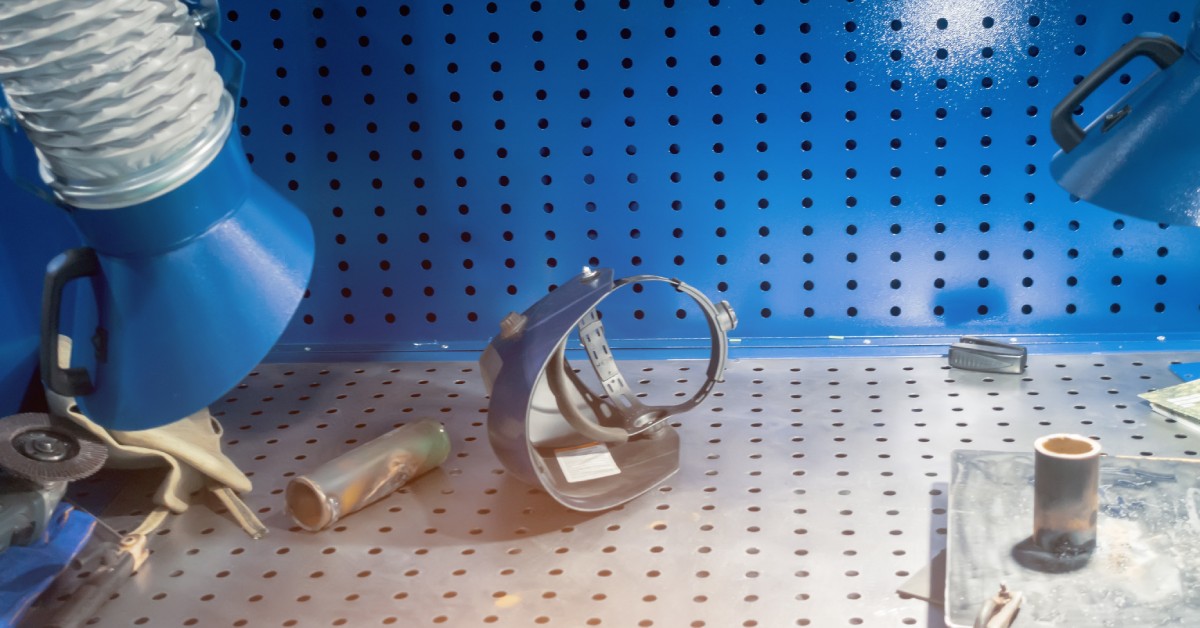
These systems offer a stationary yet flexible solution. Unlike portable units, they do not require floor space, which reduces tripping hazards. Their fixed position makes them ideal for dedicated welding booths, production lines, or instructional bays in a vocational school.
What Are the Key Components of These Systems?
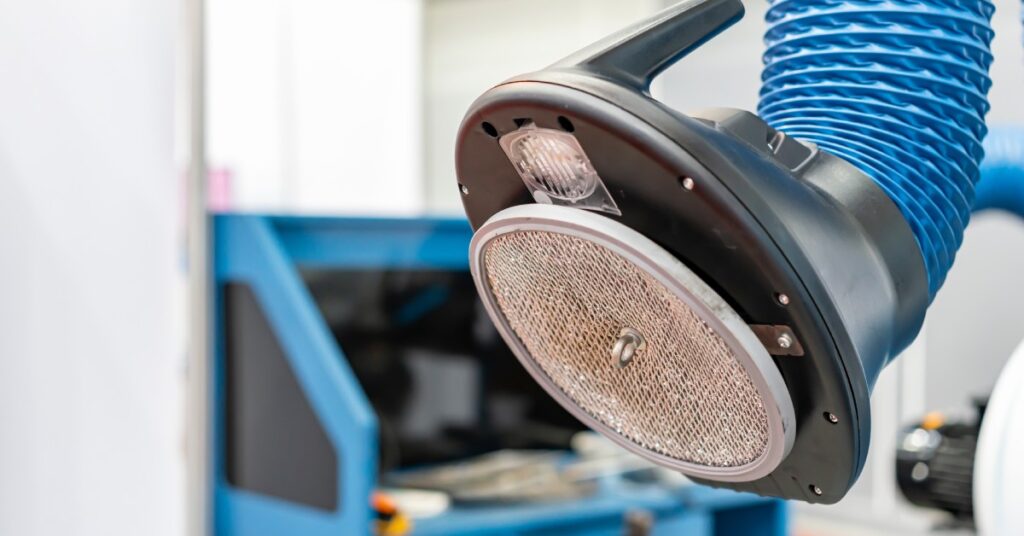
Any explanation of wall-mounted welding fume systems should include an examination of the various components, which work together to provide efficient and reliable fume capture. The extraction arm is perhaps the most visible part, offering flexibility with multiple joints and a swivel base to allow for precise placement of the capture hood.
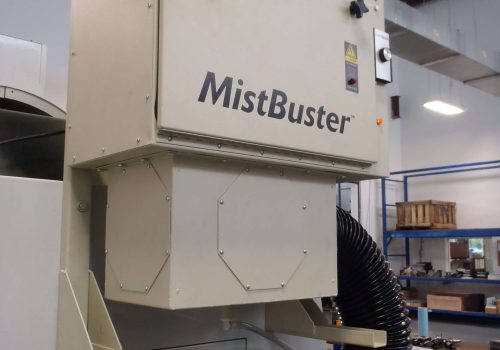
The fan and motor are the heart of the system, generating the necessary airflow and suction to pull fumes away from the welding zone. The filtration unit is another crucial element, as it houses the filters that clean the air. Finally, the wall-mount bracket provides a sturdy and secure anchor for the entire assembly, ensuring stability and safety during operation.
How Do Workers Use The Extractors?
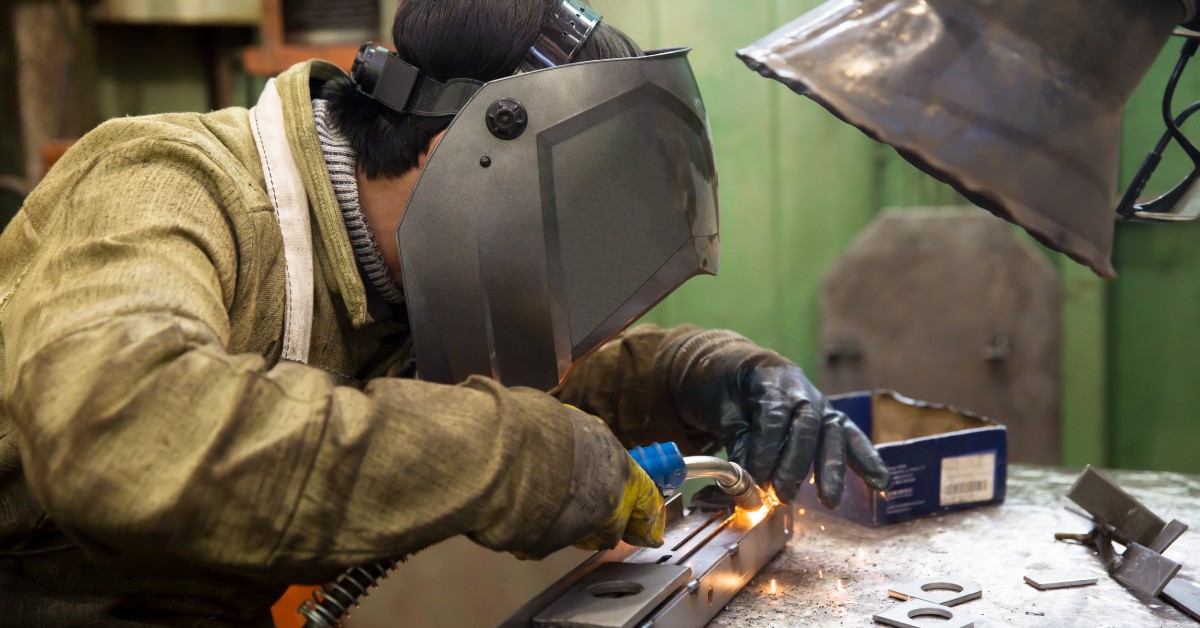
The process of how workers use wall-mounted welding fume systems is quite simple. After they position the extraction arm’s capture hood a few inches from the welding arc, they should activate it. This allows the system’s fan to create a negative pressure zone, drawing the hot, rising welding fumes and gases into the hood.
The airflow generated by the fan must be sufficient to overcome ambient air currents and create an adequate capture velocity. This velocity ensures that the system pulls the entire fume plume into the arm and transports it to the filtration system.
Once inside, the air passes through filters that trap the solid particles. After filtration, it discharges clean air. This immediate capture and filtration process is highly efficient, protecting the welder and maintaining cleaner air quality throughout the shop.
Can Installation and Placement Affect Performance?
How you install and position the wall-mounted system can help you maximize its effectiveness in your facility. Make sure you mount the unit at a height that allows the extraction arm to comfortably reach all welding points within its designated workstation without overextending. It is important to ensure the wall or column chosen for mounting has sufficient structural integrity to support the system’s weight and operational forces.
When choosing a location for the system, consider your workshop’s layout. The system should not obstruct walkways, overhead cranes, or other equipment. The extraction arm’s reach is a key factor; measure the required operational radius to ensure the chosen arm length provides full coverage of the work area.
Additionally, consider access for maintenance, such as filter changes. The unit should be installed in a location where you and your associates can service the arm safely and efficiently without disrupting other operations.
How Important Is Maintenance?
Regular maintenance is essential to keep your wall-mounted fume extraction system operating at peak performance. A proactive maintenance schedule ensures consistent fume capture, protects workers, and extends equipment life.
The most frequent maintenance task is monitoring and replacing the filters. Most systems feature a filter status indicator that alerts users when a filter becomes clogged and restricts airflow.
Filter replacement frequency depends on the welding application, the volume of work, and the type of materials being welded. Heavy-duty applications will require more frequent changes than light-duty ones.
Beyond filter replacement, regular checks should include inspecting the extraction arm for damage, ensuring all joints move freely, and checking the fan and motor for unusual noises or vibrations. Following the manufacturer’s recommended maintenance schedule is the best way to ensure your system remains a reliable safety asset.
How Can I Select the Right System for My Facility?
Selecting the appropriate wall-mounted fume extraction system requires an assessment of your specific welding processes. Consider the type of welding you perform, such as MIG, TIG, or stick welding, as each produces different levels of fume. The materials being welded, like stainless steel or aluminum, also influence the type of filtration needed, as some produce more hazardous fumes containing hexavalent chromium or manganese.
Evaluate the size of your welding stations to determine the required length of the extraction arm. Finally, consider the airflow requirements, typically measured in cubic feet per minute (CFM). You will need a higher CFM for applications that generate a large volume of fume. Consulting with an expert in air filtration can help you navigate these factors and choose a system that provides optimal protection for your workers and ensures compliance with safety regulations.
By implementing the right fume extraction system, you will invest in your team’s health and safety and in the efficiency of your operation. These systems can even help you enhance your shop’s reputation by showing others how you value safety.
For expert guidance and a comprehensive selection of high-quality solutions, explore the offerings at WeldFume-Extractors.com. Our team is ready to help you find the perfect wall-mounted welding fume extractor to meet your facility’s unique needs.
To provide the best experiences, we use technologies like cookies to store and/or access device information. Consenting to these technologies will allow us to process data such as browsing behavior or unique IDs on this site. Not consenting or withdrawing consent, may adversely affect certain features and functions.
Functional
Always active
The technical storage or access is strictly necessary for the legitimate purpose of enabling the use of a specific service explicitly requested by the subscriber or user, or for the sole purpose of carrying out the transmission of a communication over an electronic communications network.
Preferences
The technical storage or access is necessary for the legitimate purpose of storing preferences that are not requested by the subscriber or user.
Statistics
The technical storage or access that is used exclusively for statistical purposes.The technical storage or access that is used exclusively for anonymous statistical purposes. Without a subpoena, voluntary compliance on the part of your Internet Service Provider, or additional records from a third party, information stored or retrieved for this purpose alone cannot usually be used to identify you.
Marketing
The technical storage or access is required to create user profiles to send advertising, or to track the user on a website or across several websites for similar marketing purposes.